A caesarean birth is major abdominal surgery, so it’s important to give your body time and support to heal. While you’re caring for your new baby, it is important to also look after yourself too.
Here are a few key things to focus on during your recovery.
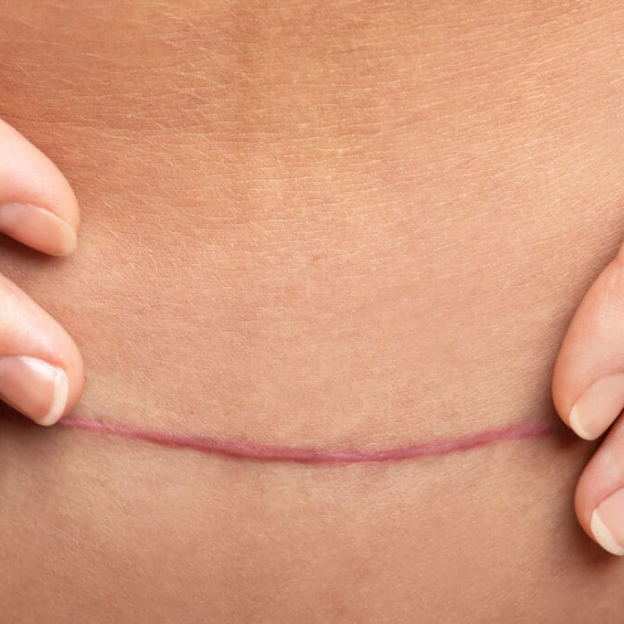
Care for Your Scar
Your C-section scar is more than just the skin you can see. The tissues underneath also need time to heal and move freely. Once your incision has fully healed, gentle scar massage can help reduce tightness, improve comfort, and keep the scar moving well. If your scar feels painful, numb, raised, or tight, we can assess it and show you the best techniques to use daily at home.
Mindful Movement
In the early weeks after your C-section, simple movements can make a difference.
Rolling onto your side before getting out of bed (rather than sitting straight up) and using your arms to help push yourself up can reduce strain on your healing abdominal muscles and scar. The same applies when getting in and out of the car—taking your time and moving your whole body together is often much more comfortable.
We’ll teach you safe ways to move that protect your scar while you heal.
Rebuild Your Core
Many women develop a separation of their abdominal muscles during pregnancy, known as Diastasis Rectus Abdominis (DRAM). This is a normal change that allows your baby room to grow.
Rather than focusing on “closing the gap,” it’s more important to improve how your abdominal muscles work together. We can assess your tummy muscles and prescribe the right exercises to rebuild strength safely and progressively, and help you return to everyday activities and exercise with confidence.
Support Your Recovery
Some women find abdominal support bands or compression garments helpful in the early weeks after a C-section. While on their own they don’t bring the muscles back together, they can provide extra comfort and support during daily activities. We can help fit the right support aid for you if needed.
Don’t Forget Your Pelvic Floor
Even if you had a C-section, pregnancy still places pressure on your pelvic floor muscles. A pelvic floor assessment can help identify any weakness, tightness, or bladder/bowel concerns and ensure you’re doing the right exercises and technique for your recovery.
When Should You See a Physio?
Whether you’re six weeks, six months, or even a few years after your C-section, it’s never too late to improve your recovery.
A postnatal physiotherapy assessment can help with scar pain or tightness, abdominal separation (DRAM), core and global muscle weakness, back pain, bladder leakage and returning to exercise safely.
If this is for you, book an appointment with one of our Physiotherapists on(02) 8883 5360 or email at info@sydneywomensphysiotherapy.com.au
Jasmine